The lights blink once, twice — and then everything goes quiet.
No refrigerator humming. No television. No heat or air conditioning. If your home has a well, you may suddenly discover that you don’t have running water either.
Most power outages last only a few hours. But storms, ice, fallen trees and equipment failures can sometimes leave rural areas without electricity much longer.
You don’t need an expensive collection of emergency equipment to be better prepared.
What you need most is a plan — and the knowledge to make good decisions during those first important hours.
First: Find Out What’s Happening
Before assuming something is wrong with the entire neighborhood, look outside.
Do your neighbors have power?
Check your electrical panel for a tripped breaker. If the outage appears widespread, report it to your electric company if necessary and check for outage information.
Keep your phone charged as much as possible. During an extended outage, it may become your primary source of information and communication.
This is not the time to spend an hour watching videos or scrolling through social media. Preserve that battery.
Leave the Refrigerator and Freezer Closed
One of the first concerns during an outage is food.
Your best tool is something that doesn’t cost a penny:
Keep the doors closed.
According to USDA food-safety guidance, an unopened refrigerator generally keeps food cold for about four hours. A full freezer can maintain its temperature for about 48 hours, while a half-full freezer is closer to 24 hours, provided the door remains closed.
Every time someone opens the door to “see if it’s still cold,” cold air escapes.
Decide what you need before opening it, get it quickly and close the door again.
When power returns, don’t rely on smell or appearance alone to determine whether perishable food is safe. When in doubt about food that has become too warm, throw it out. Food poisoning isn’t worth saving a few dollars.
If You Have a Well, Think About Water Immediately
Many rural homes depend on electric well pumps.
No electricity may mean no water.
If an outage is expected to last, conserve whatever water is already available.
You may need water for:
- Drinking
- Cooking
- Taking medication
- Basic washing
- Flushing toilets
- Pets
This is one reason keeping some drinking water at home is sensible even if you aren’t interested in “prepping.”
You don’t need a year’s supply.
Start with enough to get your household through a short outage and gradually build from there.
Use Flashlights Before Candles
Candles may be traditional, but they’re also an open flame.
Flashlights and battery-operated lanterns are safer choices, especially in homes with children, pets or anyone who may be unsteady on their feet.
Keep flashlights in places where you can find them in the dark.
That’s more important than it sounds.
A flashlight buried in the back of a kitchen junk drawer isn’t much help when the house suddenly goes black.
And periodically check the batteries. An emergency flashlight with dead batteries is just a paperweight.
Be Extremely Careful With Generators
A generator can be enormously helpful during an extended outage.
It can also be deadly when used incorrectly.
Never run a portable generator inside a house, garage, basement, shed or other enclosed or partially enclosed space.
Generators produce carbon monoxide, an invisible, odorless gas that can kill.
Keep generators outdoors and well away from doors, windows and vents, following the manufacturer’s instructions.
Never try to power your house by plugging a generator into a household wall outlet. This dangerous practice can send electricity back through utility lines and endanger both your household and utility workers.
If you want a generator connected to household circuits, have the proper equipment installed by a qualified electrician.
Never Bring a Grill Inside
The same warning applies to charcoal grills, camp stoves and similar equipment.
Do not use charcoal grills or fuel-burning outdoor cooking equipment inside the house or garage.
Carbon monoxide can build up without you realizing it.
If you need to cook outdoors, cook outdoors.
A power outage is inconvenient. Don’t turn it into a medical emergency.
Staying Warm During a Winter Outage
If the power fails during cold weather, concentrate everyone in one or two rooms rather than trying to keep the entire house comfortable.
Close doors to unused rooms.
Close curtains or blinds at night to reduce heat loss. Wear layers of clothing, warm socks and a hat. Use blankets.
If sunlight is coming through windows during the day, let it help warm the room.
Be very cautious about alternative heating equipment.
Use only heaters specifically designed for the location and fuel you’re using, and follow the manufacturer’s safety instructions. Keep anything that can burn well away from heaters.
Never use your kitchen oven or stove as a substitute for home heating.
Related Article: No Heat?
Staying Cool During a Summer Outage
A summer outage presents a different problem, particularly for older adults, babies and people with certain health conditions.
Close blinds or curtains on the sunny side of the house.
Open windows when outdoor temperatures are cooler than indoor temperatures and it’s safe to do so.
Drink water regularly.
Reduce unnecessary physical activity during the hottest part of the day.
If the home becomes dangerously hot and the outage is continuing, don’t try to prove how tough you are. If possible, go somewhere with power and air conditioning — a relative’s home, community cooling center, library or other safe location.
Think Ahead About Medication and Medical Equipment
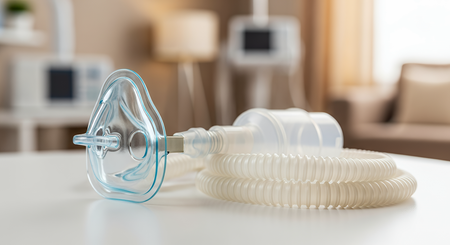
For some households, electricity isn’t merely convenient.
Someone may depend on electrically powered medical equipment or medication that must remain refrigerated.
Those households need a backup plan before an outage happens.
Know what the equipment manufacturer recommends. Talk with the medical provider or pharmacist about what to do if power is unavailable.
Keep important phone numbers written on paper as well as stored in your phone.
If someone’s health or safety is in immediate danger because necessary medical equipment cannot operate, seek emergency help.
Your Car Can Be Useful — With Caution
A vehicle can sometimes charge a phone or provide temporary access to heat or air conditioning.
But never run a vehicle in an enclosed garage.
Carbon monoxide can accumulate quickly.
If you’re using the vehicle during an outage, move it completely outdoors before running the engine.
Also keep enough fuel in your vehicle that you aren’t routinely sitting on empty. During a widespread outage, nearby gas pumps may not work either.
Check on Your Neighbors
This may be one of the most important pieces of Emergency Know-How.
If it’s safe to do so, check on the people around you.
An older neighbor may be sitting alone in a cold house.
Someone may have medical equipment that isn’t working.
A family with small children may be struggling.
Sometimes emergency preparedness isn’t about what you’ve stored in your closet.
It’s about knowing your neighbors.
Put Together an Inexpensive Power-Outage Box
You don’t have to buy everything at once.
Find a plastic tote, cardboard box or designated cabinet and gradually collect useful items as your budget allows.
A basic supply might include:
- Flashlights
- Extra batteries
- Battery-operated lantern
- Battery-powered or hand-crank radio
- Phone power bank and charging cables
- Bottled drinking water
- Shelf-stable foods that require little preparation
- Manual can opener
- Basic first-aid supplies
- Necessary personal supplies
- Copies of important phone numbers
- A few basic hygiene items
If you already own some of these things, gather them together.
Preparedness doesn’t mean buying things you don’t need. Often it simply means knowing where the things you already own are located.
Don’t Wait Until the Lights Go Out
There are a few inexpensive things worth doing ahead of time. Plan now for a power outage.
Freeze containers of water when you have unused freezer space. They help keep the freezer cold longer during an outage and can provide water after they thaw.
Keep your phone power bank charged.
Know where the flashlights are.
Keep some food in the pantry that can be eaten without electricity.
If you’re on a well, keep drinking water available.
And if a major storm is predicted, charge phones and other essential devices before it arrives.
None of this requires an expensive emergency-preparedness shopping trip.
It requires thinking ahead.
Mountain Heart Ministries
Hope for Today • Help for Tomorrow • Faith for the Journey
Helping our Appalachian neighbors one life, one family,
and one community at a time.
Contact
info@mountainheartministries.org
Serving mountain communities in Eastern Kentucky
and Northeast Tennessee.
“My little children, let us not love in word, neither in tongue;
but in deed and in truth.”
1 John 3:18 (KJV)
© 2026 Mountain Heart Ministries. All Rights Reserved.
Mountain Heart Ministries is a Christian nonprofit organization
dedicated to serving individuals and families with compassion,
dignity, and hope.